

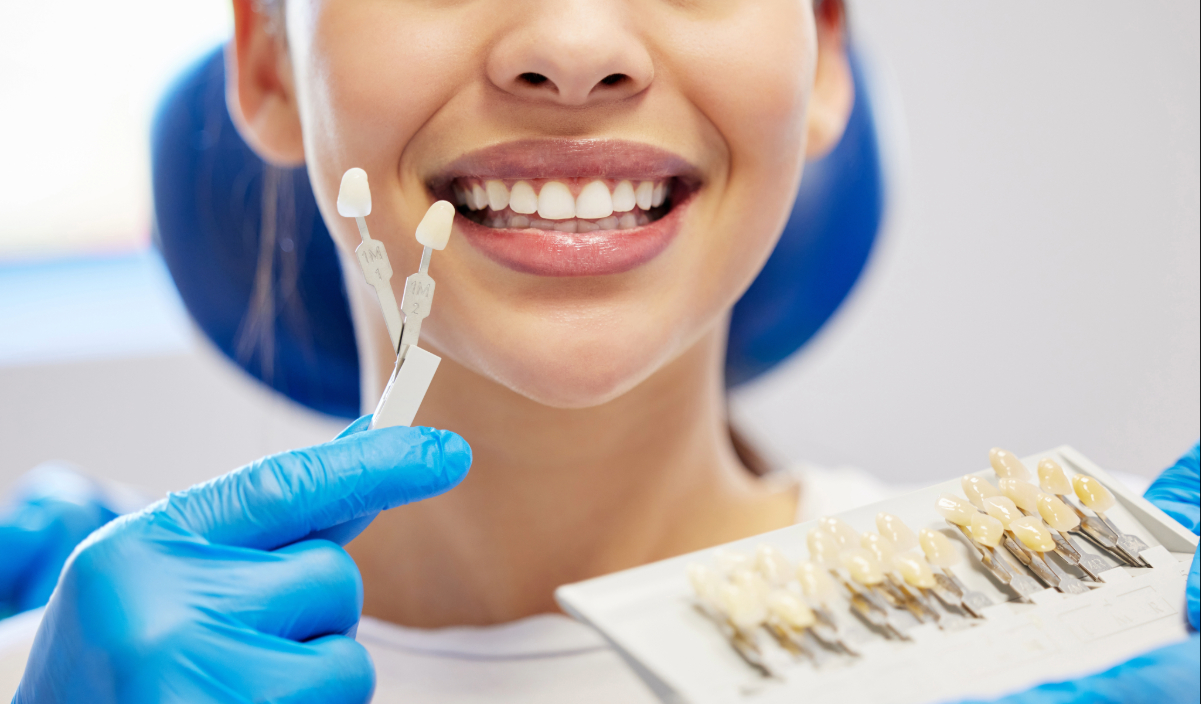
Quick answer: What are the main types of veneers?
The most common are porcelain (natural and long-lasting), composite resin (affordable and reversible), no-prep veneers like Lumineers (ultra-thin, enamel-sparing), and stronger ceramics such as E-max and zirconia. Snap-on veneers are removable cosmetic overlays, not bonded dental veneers. The best type depends on your goals, your teeth, and your budget.
Choosing veneers is really a series of smaller choices, and the first one is which kind. There are several types of veneers, and they differ in material, how much of your natural tooth is involved, how long they last, and what they cost. Picking the right one is what separates a smile that looks natural and lasts from one that disappoints.
This guide walks through every main option, from porcelain and composite to ultra-thin no-prep veneers, stronger ceramics like E-max and zirconia, and removable snap-on styles. By the end you will know which type tends to suit which situation, and what questions to ask at your consultation.
Only a dentist can confirm the best option for your teeth, but understanding the landscape first makes that conversation far more productive.
What Are Dental Veneers?
A dental veneer is a thin, custom shell bonded to the front of a tooth to improve its color, shape, size, or alignment. Veneers can close small gaps, cover stains that whitening cannot fix, and reshape chipped or uneven teeth.
They are one of the most popular cosmetic treatments in dentistry. By industry estimates, roughly 8 percent of Americans have veneers, and American Academy of Cosmetic Dentistry survey data indicates patients in their 40s and 50s make up the largest group of cosmetic dentistry patients.
The differences between types come down to the material used and how much, if any, natural enamel is removed to place them.
Veneer Types Compared
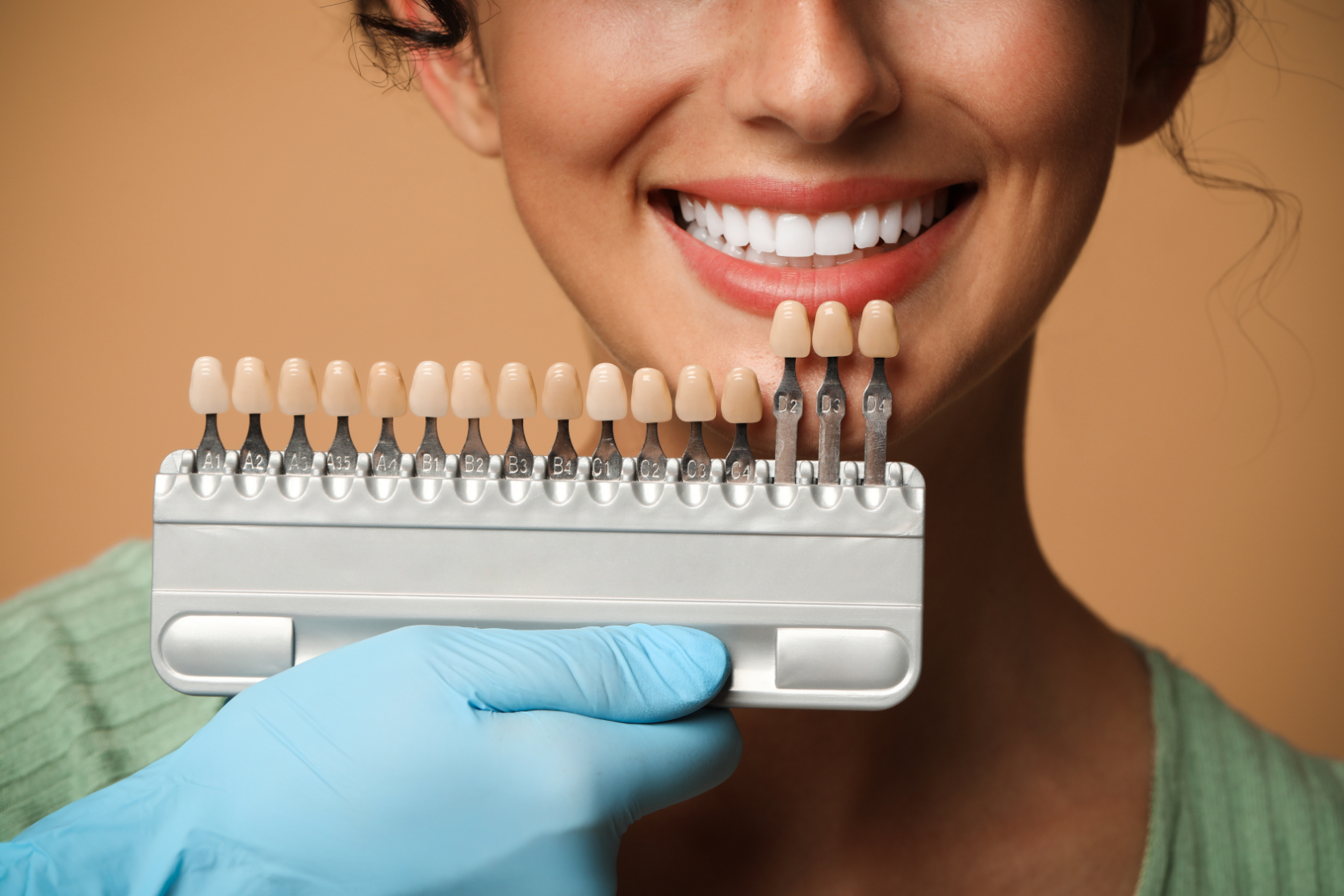
The table below summarizes the main options using typical US figures. Costs and longevity vary by dentist, location, and how well you care for them. Each type is explained in full further down.
| Type | Tooth prep | Typical longevity | Stain resistance | Typical cost per tooth | Best for |
|---|---|---|---|---|---|
| Porcelain | ~0.5 mm removed | 10 to 15 years (20+ possible) | Excellent | $925 to $2,500 | Long-lasting, significant smile changes |
| Composite (direct) | Minimal to none | 2 to 5 years | Fair (stains) | $250 to $1,500 | Minor fixes, budget, reversible |
| Composite (indirect) | Minimal | 7 to 10 years | Good | Higher than direct | Better-looking composite option |
| No-prep (Lumineers, etc.) | None to minimal | 5 to 20 years (varies) | Very good | $800 to $2,500 | Small, worn, or gapped teeth; enamel preservation |
| E-max (lithium disilicate) | ~0.3 to 0.7 mm | 10 to 15 years | Excellent | Mid to high (varies) | Balance of natural look and strength |
| Zirconia | More prep | 15+ years | Excellent | Mid to high (varies) | Grinders, back teeth, masking dark stains |
| Snap-on / removable | None | Short (cosmetic only) | Poor | $300 to $600 per arch | Temporary cosmetic effect only |
Porcelain Veneers
Porcelain is the traditional gold standard, and for good reason. These custom ceramic shells offer the most natural, translucent, enamel-like appearance and resist staining better than any other option.
Placing them usually requires removing about 0.5 mm of enamel, which is permanent, and takes two visits. The payoff is durability. Porcelain veneers have a roughly 95.5 percent survival rate at 10 years when placed and maintained well, and studies show many remain viable past 20 years. Typical lifespan is 10 to 15 years, and longer with good care.
Cost is higher than composite, typically $925 to $2,500 per tooth in the US, with a national average around $1,765 per tooth. Porcelain is the usual choice when you want a long-lasting, significant smile change.
Composite Resin Veneers
Composite veneers use tooth-colored resin instead of ceramic, and they come in two forms. Direct composite is sculpted onto the tooth chairside in a single visit. Indirect composite is made in a lab and bonded at a second visit.
The appeal is speed, lower upfront cost, and reversibility. Direct composite typically runs $250 to $1,500 per tooth and can often be repaired chairside if it chips. The trade-off is longevity and staining. Direct composite generally lasts about 2 to 5 years and absorbs pigment from coffee, tea, and red wine more readily than porcelain. Indirect (lab-made) composite lasts longer, around 7 to 10 years, with better polish and esthetics.
Composite is a strong choice for minor corrections, a tighter budget, or as a reversible way to try a cosmetic change.
No-Prep Veneers (Lumineers, DURAthin, Vivaneers)
No-prep veneers are ultra-thin porcelain shells, roughly 0.2 to 0.33 mm, bonded directly to the tooth with little or no enamel removal. Because they preserve your natural tooth structure, they are often reversible and usually need no anesthesia.
Brand names include Lumineers, DURAthin, and Vivaneers. Cost typically runs $800 to $2,500 per tooth. Longevity estimates vary by brand and care, from around 5 to 7 years in some sources to 10 to 20 years in others.
The catch is candidacy. No-prep veneers are not suitable for severe discoloration, significant alignment problems, or untreated grinding, and on larger teeth they can look bulky. For the full breakdown of who qualifies, see our guide to veneers without shaving teeth.
E-max (Lithium Disilicate) Veneers
E-max is a pressed ceramic (lithium disilicate) that has become a favorite for combining beauty with strength. It offers natural, enamel-like translucency along with a flexural strength of about 360 to 400 MPa, far stronger than traditional feldspathic porcelain.
E-max needs only conservative preparation, around 0.3 to 0.7 mm, and typically lasts 10 to 15 years. It bonds chemically to the tooth and has a long clinical track record. It costs more than composite and is slightly less opaque than zirconia, so it is not the best choice for masking very dark, heavily stained teeth, but for most cosmetic cases it is an excellent balance of looks and durability.
Zirconia Veneers
Zirconia is the strength champion. With a flexural strength of roughly 900 to 1,200 MPa, about three times that of E-max, it is the most durable veneer material available.
That strength makes zirconia the go-to for patients who grind their teeth, for back teeth, and for masking dark staining, since it is more opaque than E-max. The trade-offs are that it usually requires a bit more tooth preparation, can look slightly less translucent than E-max in front teeth, and traditional zirconia does not chemically bond to the tooth the way glass ceramics do. When maximum durability matters most, zirconia is the strongest option.
Snap-On and Removable Veneers
Snap-on veneers (also called pop-on or clip-in veneers) are a different category entirely. They are removable cosmetic overlays that clip over your teeth, and importantly, they are not bonded dental veneers.
They are inexpensive, typically $300 to $600 per arch for direct-to-consumer brands, need no tooth preparation, and give an instant cosmetic change. But dentists generally discourage them for regular wear. They serve no dental function, often fit poorly, and can trap plaque and bacteria against your teeth and gums, raising the risk of decay and gum disease over time. Think of them as a costume accessory, not a real restoration.
How to Choose the Right Type for You
The best veneer is the one that matches your goals, your teeth, and your budget. Bruxism (grinding), deep intrinsic staining, active gum disease, or significant crowding all affect which type will work, and sometimes point to a different treatment altogether. Your dentist will assess these before recommending a material. These are the questions that usually decide it.
Which type of veneer lasts the longest?
Zirconia typically lasts longest, often 15 years or more. Porcelain and E-max usually run 10 to 15 years, and porcelain can pass 20 with good care. Indirect composite lasts around 7 to 10 years and direct composite about 2 to 5. No-prep veneers vary most widely, from roughly 5 to 20 years depending on the brand and how they are cared for.
Which veneers look the most natural?
Porcelain sets the standard, because its translucency is closest to natural enamel. E-max comes very close and adds strength. Zirconia is the most opaque of the three, which makes it excellent for masking dark staining but slightly less lifelike on front teeth.
Which veneers require removing enamel?
Porcelain usually needs about 0.5 mm of enamel removed, which is permanent. E-max is more conservative at roughly 0.3 to 0.7 mm, and zirconia generally needs a little more preparation. No-prep veneers remove little or no enamel and are often reversible, and composite ranges from minimal to none.
Which veneers stain the most?
Direct composite is the one to watch, since the resin absorbs pigment from coffee, tea, and red wine more readily than ceramic. Porcelain, E-max, and zirconia all resist staining excellently, and no-prep porcelain does very well too.
Which veneers are best if you grind your teeth?
Zirconia holds up best, at roughly three times the flexural strength of E-max, with E-max the next strongest choice. A night guard is often recommended alongside either. Untreated grinding also rules out no-prep veneers, so it is worth raising at your consultation.
Which veneers are worth the money?
That depends on the timeframe you are judging. Composite costs least to start and can be repaired chairside, which suits a tighter budget or a first try at a cosmetic change. Porcelain and the advanced ceramics cost more up front but last considerably longer, so for most patients they work out as better value over time.
Are Veneers Covered by Insurance?
In most cases, no. Veneers are considered a cosmetic, elective procedure, so dental insurance typically does not cover them. Exceptions can apply when a veneer is deemed medically necessary, such as restoring a tooth after trauma. It is always worth checking your specific plan, and asking about financing options during your consultation.
Frequently Asked Questions
What is the best type of veneer?
There is no single best type, only the best fit for your situation. Porcelain is the gold standard for a natural look and long life. E-max adds extra strength with beautiful translucency, and zirconia is strongest for grinders. Composite is the most affordable and reversible. The right choice depends on your goals, your teeth, and your budget, which a dentist confirms at your exam.
Porcelain or composite veneers, which is better?
It depends on your priorities. Porcelain looks more natural, resists stains, and lasts 10 to 15 years or more, but costs more and requires enamel removal. Composite is cheaper, can be done in one visit, and is repairable and reversible, but it stains more easily and typically lasts 2 to 5 years for direct composite. Porcelain is better for longevity; composite is better for budget and reversibility.
How long do veneers last?
It varies by type. Porcelain veneers last about 10 to 15 years, and often longer, with a 95.5 percent survival rate reported at 10 years. E-max lasts 10 to 15 years and zirconia often 15 or more. Direct composite lasts about 2 to 5 years, while no-prep veneers range widely from about 5 to 20 years depending on brand and care.
How much do veneers cost?
Cost depends on the material. Direct composite is the most affordable at roughly $250 to $1,500 per tooth. Porcelain typically runs $925 to $2,500 per tooth, with a national average near $1,765. No-prep veneers run about $800 to $2,500 per tooth. All figures are typical US ranges that vary by provider, location, and case.
Are snap-on veneers a good option?
For everyday use, no. Snap-on or clip-in veneers are removable cosmetic overlays, not bonded dental veneers. They are inexpensive and need no tooth prep, but they serve no dental function, often fit poorly, and can trap plaque against your teeth and gums, raising the risk of decay and gum disease. Dentists generally recommend them only for very short-term cosmetic use.
Are veneers permanent?
Some are, some are not. Porcelain and E-max veneers involve permanent enamel removal, so the tooth will always need a veneer or crown afterward. No-prep veneers and composite are more conservative and often reversible because little or no enamel is removed. Even reversible veneers require professional removal, so the decision should still be made carefully.
Considering veneers in Huntsville or Scottsboro? Our team can help you choose the type that fits your smile and budget. Learn more about our veneers and cosmetic dentistry, or schedule a consultation.
Medical disclaimer
This article is for general educational purposes and does not substitute for professional dental advice. Only a qualified dentist can recommend the right type of veneer for your teeth, bite, and goals.
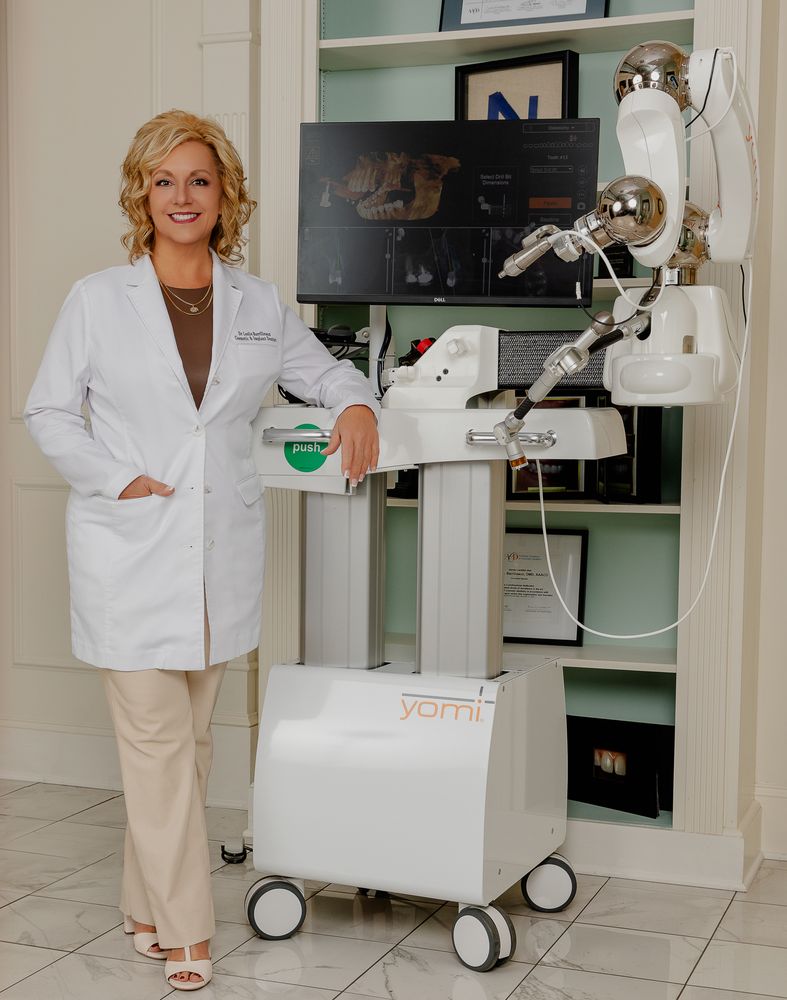
Dr. Leslie Barrilleaux is Alabama’s only Accredited Cosmetic Dentist and the founder of Dentistry Today in Huntsville and Scottsboro. She’s passionate about helping patients feel confident in their smiles through personalized, modern dental care.