


Quick answer: How long does Invisalign take?
Most people complete Invisalign in 6 to 18 months. Minor cases finish in about 3 to 6 months, moderate cases in 12 to 18 months, and complex cases can take 24 months or more. Your exact timeline depends on how complex your case is, how consistently you wear the aligners (20 to 22 hours a day), and whether you need refinements at the end.
Here is the short answer before the detail. For most people, how long does Invisalign take is typically 6 to 18 months. Very minor cases can finish in about 3 months, while more complex cases sometimes run past 24. Where you fall within that range depends largely on your case and how consistently you wear your aligners.
Three factors carry most of the weight: how crowded or misaligned your teeth are to begin with, how many hours a day you keep the aligners in, and whether you need a round of refinements at the end. This is why two patients who start on the same day can finish months apart.
One point worth understanding up front. Real-world timelines tend to run a little longer than the marketed range, so setting that expectation early prevents surprises later in treatment. The sections below help you estimate your own range and give you a short checklist to keep treatment on track. Keep in mind that only an in-person exam can confirm your exact timeline.
Invisalign Timeline by Case Type
If you want the fast version, this table summarizes what most patients can expect before an exam confirms the details.
| Case type | Typical timeline | What it usually involves |
|---|---|---|
| Minor / touch-up | 3 to 6 months | Small gap, minor relapse, single-arch crowding |
| Mild | 6 to 9 months | Light crowding or small spacing |
| Moderate | 9 to 15 months | Crowding plus a mild bite issue, both arches |
| Complex | 15 to 24+ months | Significant crowding, spacing, rotation, or bite correction |
Most adults land somewhere in the moderate band, around 12 to 18 months of active treatment. The rest of this guide explains what moves you up or down within these ranges.
The Typical Invisalign Timeline Range
Most dentists quote 12 to 18 months for a typical adult. Minor touch-ups can finish in 3 to 6 months, while the more involved cases, the ones with real bite problems, can extend to 24 months or beyond.
That range is accurate, but it does not tell the whole story. A retrospective study of 500 patients published in the American Journal of Orthodontics and Dentofacial Orthopedics found the real-world average treatment length, once refinements are included, was about 22.8 months. Only 6% of those patients finished without a single refinement scan.
This is not meant to discourage you. It simply explains why the number on your treatment plan makes sense, and why a friend’s invisalign treatment time may look nothing like yours. Most patients land in the middle of the range, and needing refinements is routine rather than a sign that something went wrong. Think of the quoted range as your starting estimate and the 22.8-month figure as a realistic reminder that teeth do not always move on a fixed schedule.
Invisalign Timeline by Case Complexity and Package Type
The package your dentist recommends reflects how far your teeth need to move. Each Invisalign product caps how many aligners it allows, and that cap determines which cases it can handle. More movement means more aligners, and more aligners mean a longer treatment length.
Here is how the main package types compare:
| Package | Aligner count | Typical treatment length | Best for |
|---|---|---|---|
| Invisalign Express | Up to 7 pairs | 3 to 6 months | Minor spacing or relapse touch-ups |
| Invisalign Lite | Up to 14 pairs | 6 to 9 months | Minor crowding or small gaps |
| Invisalign Moderate | Up to 20 pairs (20-stage) | 5 to 12 months | Medium-complexity cases |
| Invisalign Comprehensive (Full) | Unlimited pairs | 12 to 24+ months (usually ~18) | Crowding, gaps, overbite, underbite, crossbite |
| Invisalign First (ages 6 to 10) | Varies | 6 to 18 months | Phase 1 while the jaw is still growing |
| Invisalign Teen | Varies | 12 to 18 months (up to 22) | Teens, with up to 6 replacement aligners and compliance dots |
Comprehensive is the option most adults receive, because it has no aligner cap and can address the widest range of bite and alignment issues. These ranges are guides that an exam confirms, not a way to self-diagnose. Your dentist scans your teeth and matches you to the right package based on what genuinely needs to move.
Which Invisalign Timeline Bucket Are You Likely In?
Before you book a consultation, this quick guide maps common smile situations to the ranges above. It is a starting point, not a diagnosis, so treat it as an estimate rather than a firm answer.
| Likely range | Typical situation | Package territory |
|---|---|---|
| Short, 3 to 9 months | A small gap, mild crowding on one arch, or minor relapse from earlier braces | Express or Lite |
| Mid, 12 to 18 months | Moderate crowding plus a mild bite issue, both arches involved | Comprehensive |
| Longer, 18 to 24+ months | Bite correction combined with significant crowding, spacing, or rotation | Comprehensive |
In the AJODO study, about 17.2% of all Invisalign patients eventually switched to braces to finish treatment, more often in complex cases. Landing in the longer range does not mean Invisalign is the wrong choice. It simply means your teeth have further to travel, and a scan and exam is the only way to confirm which range is truly yours.

What Actually Affects How Long Invisalign Takes
The most common challenge with Invisalign is not discomfort. It is the discipline of keeping the trays in for 20 to 22 hours every day. That daily habit is also the single factor that influences your timeline the most.
Wear compliance. The standard is 20 to 22 hours per day, and patients who consistently reach 22 or more finish roughly 3 to 4 months sooner on average. In practice, wear-compliance studies suggest only about a third of patients consistently hit that target. Missed hours add up gradually, quietly turning a 12-month plan into a 15 to 18-month one.
Case complexity. Not all tooth movements are equal. Simple tipping is the most predictable movement, while rotating a round tooth or extruding one into position is far less predictable. Cases that rely on those movements naturally take longer.
Age and biology. Adult bone is denser and remodels more slowly than a teenager’s, which can add time. In practice, that difference is usually weeks to a few months, not double the treatment. None of these factors is a reflection on you. They simply explain why two people with similar-looking teeth can finish months apart.
The Invisalign Timeline Step by Step, From Consult to Retainer
Most articles skip the part patients most want to understand: how long before you even receive your first trays? Here is the full process, phase by phase, with realistic windows.
1. Consult and digital scan. Your dentist examines your bite, crowding, and spacing to determine the right package. Rather than traditional putty impressions, a digital scanner captures a 3D model of your teeth in minutes and can display an Outcome Simulator preview of your likely result.
2. Plan approval and fabrication. Once you and your dentist approve the plan, the lab begins production. Plan finalization takes about 3 to 5 business days, manufacturing another 5 to 7, and shipping 2 to 3, which is roughly 14 days from scan to first tray. Most patients are 3 to 5 weeks from consultation to their first aligners.
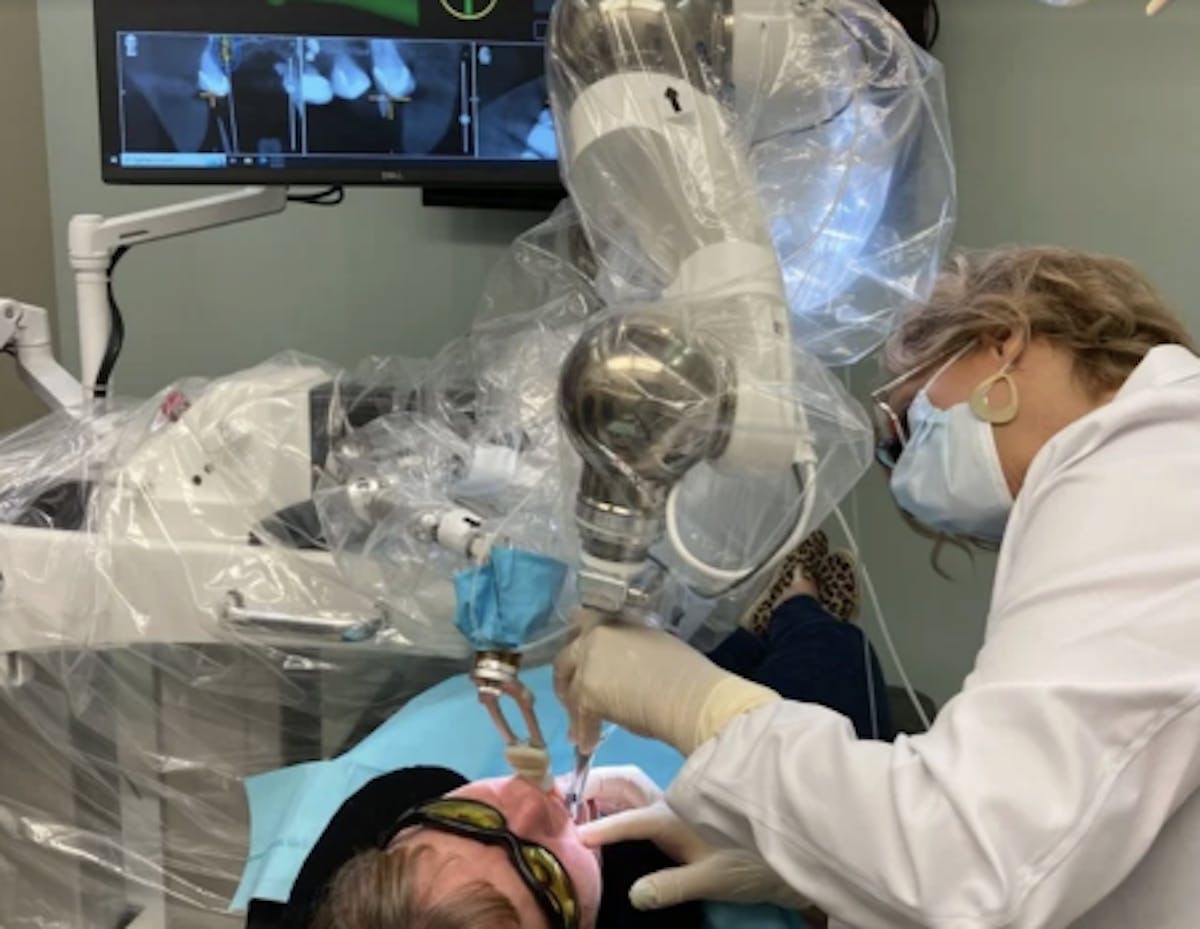
This is where our setup makes a difference. A digital scan removes the step of mailing physical impressions to an outside lab, and because we operate our own in-house dental lab at Dentistry Today with a modern digital workflow, treatment tends to begin sooner and the first trays fit more precisely.
3. Daily wear. You wear each tray 20 to 22 hours a day and change to the next set every 7 days, which is now the standard weekly protocol used in about half of cases.
4. Progress checks. Your dentist monitors your movement every 6 to 10 weeks and may add small tooth-colored attachments to guide more difficult movements.
5. Refinements. About 94% of patients need at least one refinement round, and each one adds roughly 2 to 4 months.
6. Retainers. Once your teeth are in their final positions, you move into retention to hold your new smile in place.
Invisalign Timeline for Teens vs Adults
One factor surprises many families. A teenager’s faster biology is often offset by an adult’s greater consistency, so age matters less than most people expect.
Teens. Invisalign Teen averages 12 to 18 months and can extend to 22. More responsive bone helps teeth move faster, but compliance is the variable. If wear time drops to around 18 hours a day, the timeline can nearly double. Invisalign Teen includes up to 6 replacement aligners and blue compliance-indicator dots that fade with wear, so parents can verify the trays are being worn.
Adults. Denser adult bone remodels more slowly, which can add weeks to a few months. Adults typically make up for it by wearing their aligners more consistently, so the real gap between an adult and a teen is small, not double.
Younger children have their own path. Invisalign First serves ages 6 to 10, typically running 6 to 18 months as a Phase 1 treatment while the jaw is still growing. If more than one family member is being treated, it helps to keep everyone’s cosmetic dentistry care under one roof rather than traveling to separate offices.
How to Finish Invisalign Faster, A Practical Checklist
The most effective way to shorten treatment costs nothing. Compliance alone can save 3 to 4 months, so skip the costly acceleration devices and focus on consistency instead. Here is the checklist:
- Wear your aligners the full 20 to 22 hours a day. Remove them only for eating, drinking anything other than water, and cleaning your teeth.
- Use chewies for 10 to 15 minutes after each new tray. This seats the aligner fully so your teeth engage the way the plan intends.
- Change on schedule. Move to the next set every 7 days, or exactly as your dentist directs.
- Keep every progress and refinement appointment. Catching a lagging tooth early prevents surprise delays.
- Call promptly if you lose a tray. Do not advance to the next set on your own.
- Wear your retainer exactly as prescribed afterward. Neglecting retention is the leading reason patients need additional treatment later.
Follow these consistently and you give yourself the best chance at the shorter end of your range.
Invisalign vs Braces, Which Is Faster?
Faster is not guaranteed. It depends on your case and your wear habits. For mild-to-moderate cases with good compliance, Invisalign often finishes first, though braces retain an advantage for the most difficult corrections.
| Factor | Invisalign | Traditional braces |
|---|---|---|
| Typical timeline | 12 to 18 months | 18 to 24 months |
| Force delivery | Pauses whenever trays are out | Continuous, 24/7 |
| Best fit | Mild to moderate cases | Complex bites, extractions, large rotations |
Braces apply steady force around the clock, while Invisalign pauses each time the trays come out for meals and drinks. That difference is why braces are often faster and more effective for complex bite corrections, extractions, significant rotation, or vertical movement. In the AJODO study, about 17.2% of Invisalign patients eventually switched to braces to finish.
The right choice depends on your specific case. Your dentist can tell you clearly which option is the better fit for your smile.
Frequently Asked Questions
Can Invisalign take under 6 months?
Yes, for very minor cases. Invisalign Express treats small spacing or relapse issues in about 3 to 6 months. Most cases need longer, because more crowding or bite correction means more aligners and more time. Only an in-person exam can confirm whether you qualify for a short-case package, so treat any sub-6-month estimate as case-dependent.
Do refinements mean my Invisalign treatment failed?
No. Refinements are the normal fine-tuning step, not a failure. About 94% of patients need at least one round, and only 6% finish with no refinement scan at all. Each round adds roughly 2 to 4 months as a fresh set of aligners guides any teeth that did not fully reach their target positions. Consider them the final polish rather than a setback.
What happens if I don’t wear my Invisalign enough?
Your teeth move more slowly, and the delay accumulates gradually. Missed hours add up, so a 12-month plan can stretch to 15 to 18 months. The standard is 20 to 22 hours a day, and patients who consistently reach 22 or more finish about 3 to 4 months faster. Wear time is the one part of the timeline you fully control.
How long until I see results from Invisalign?
Most patients notice visible changes within 2 to 3 months. Crowding and spacing often look clearly improved by around month three, which is one of the more encouraging stages of clear aligners. Keep in mind that early movement is not the same as being finished. The later months focus on refining your bite and settling teeth into their final positions.
Does Invisalign cost more if it takes longer?
Not automatically. Comprehensive plans typically include refinements, so a longer case is not always a larger bill. Plans and coverage do vary, so it is worth asking your provider exactly what your quote includes before you start. Knowing whether refinements are covered up front prevents surprises later.
Do I have to wear retainers forever after Invisalign?
Effectively, yes. Plan on full-time retainer wear for the first 3 to 6 months to let bone solidify around your teeth, then nightly wear for life. Teeth naturally drift back toward their previous positions, so retention protects the results you invested in. Skipping it is the most common reason patients need treatment a second time.
Ready for a personalized timeline instead of a range? Schedule a consultation or a complimentary smile assessment at our Huntsville or Scottsboro office, and a digital scan can map out a timeline specific to your smile. Learn more or reach out through our Invisalign in Huntsville page.
Medical disclaimer
This article is for general educational purposes and does not substitute for professional dental advice. Clear aligner treatment times vary from person to person, and only a scan and an exam can give you a timeline for your own teeth.
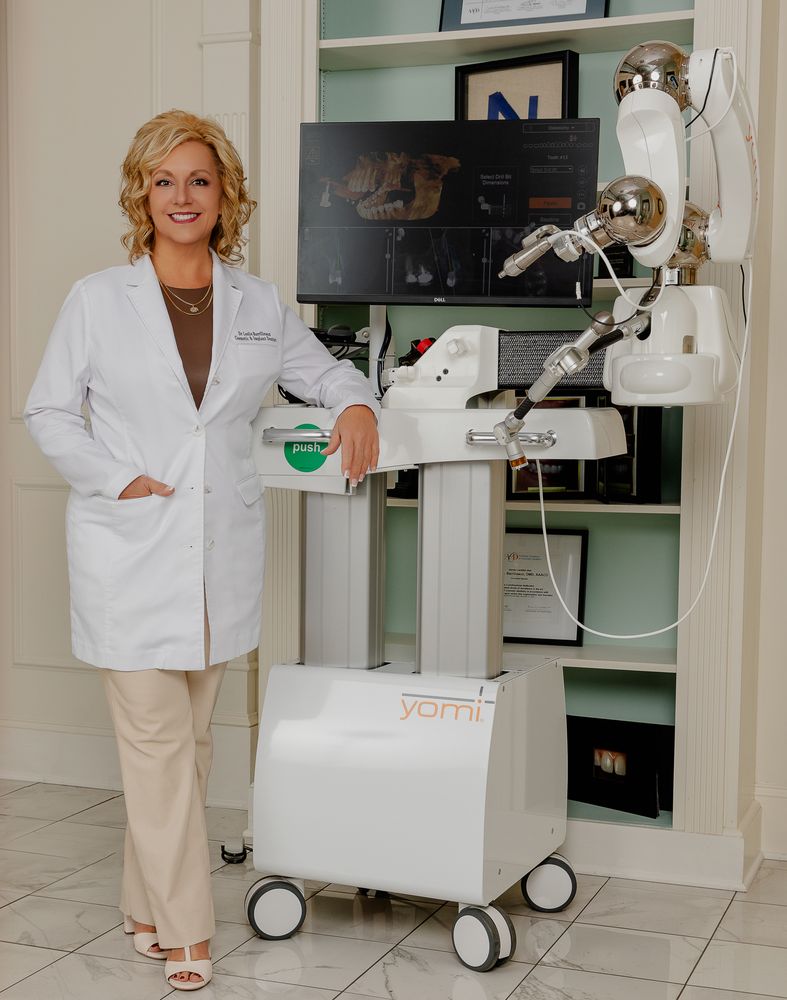
Dr. Leslie Barrilleaux is Alabama’s only Accredited Cosmetic Dentist and the founder of Dentistry Today in Huntsville and Scottsboro. She’s passionate about helping patients feel confident in their smiles through personalized, modern dental care.