

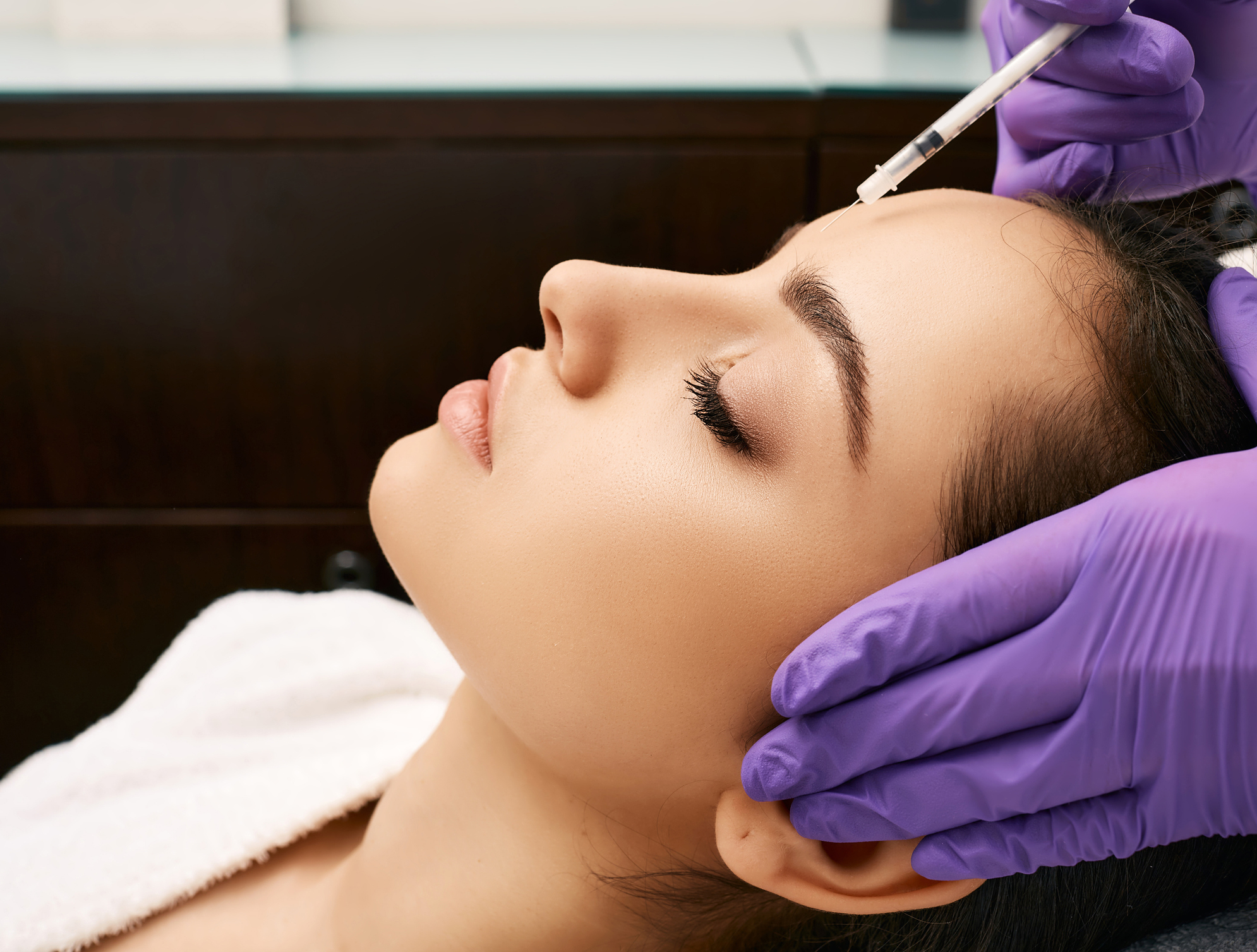
Quick answer: Can you work out after Botox?
You can, but wait about 24 hours before anything strenuous. Light walking is fine right away. The first day matters because the Botox is still settling into the muscle, and a spike in blood flow or pressure on the area can move it before it binds. Most providers use a 24-hour rule, and some extend it to 48 hours for high-intensity workouts.
If you're wondering whether you can work out after Botox, the short answer is: wait about 24 hours before anything strenuous, but light walking is fine right away. Most cosmetic dermatologists and plastic surgeons use 24 hours as their standard rest window. A small number recommend extending that to 48 hours for high-intensity workouts.
The good news is that one rest day is usually all it takes. You do not need to overhaul your fitness routine or avoid the gym long-term. The restriction is specifically about the first day, when the neurotoxin is still settling into place.
Understanding the "why" behind this guideline makes it easier to follow and helps you plan smart. Below you'll find exactly how long to wait by activity type, which workouts carry the most risk, and what the latest clinical research says about exercise and how long Botox lasts.
Can You Work Out After Botox? The Short Answer
The dominant clinical guideline across U.S. dermatology and med-spa practices is to avoid strenuous exercise for at least 24 hours after Botox injections. A minority of providers recommend waiting the full 48 hours for high-intensity activity.
Interestingly, the American Academy of Dermatology takes a more permissive stance, advising only a short wait before exercise, while other medically reviewed aftercare guides suggest at least 3 hours. There is little hard scientific evidence pinning down the exact timeline, which is why you will see different numbers from different providers.
In practice, most injectors default to the 24-hour window because it covers the period when the neurotoxin is most vulnerable. The upside: gentle walking and light housework are considered safe immediately after your appointment, with seated stretching from about four hours.
Why You Should Wait to Exercise After Botox
You might expect the concern to be about sweat or germs. It is not. The real worry is what elevated blood flow and physical movement can do to Botox before it has fully locked into place.
Botox works by binding to neuromuscular junctions, the connection points between nerves and targeted muscles. This binding happens gradually over roughly the first 24 hours after treatment, which is why the first day matters most. Exercise raises your heart rate and increases blood flow throughout your body, including to your face, and that surge can carry the toxin away from its intended site before binding is complete.
Botox is a liquid, and in the first hours after injection it can migrate a small amount, on the order of half an inch, from where it was placed. That is why patients are told not to rub or press the treated area, so the product is not inadvertently diffused. With exercise, the concern is more specific: it can raise your blood pressure, which can increase bruising at the injection sites while the product settles.
That said, it is worth being honest that the evidence base for the exact wait window is limited. There are no large randomized trials comparing outcomes at different exercise resumption times, and there is little evidence that physical activity meaningfully affects how Botox settles. The caution around bruising risk is equally central to the recommendation. This is a largely precautionary guideline, and a sensible one, but it is not backed by a stack of controlled studies.
How Long to Wait: Light vs Strenuous Activity
Not all movement carries the same risk. The concern scales with how much your heart rate rises, how much blood flow increases to your face, and whether your body position puts extra pressure on injection sites.
| Activity Type | Suggested Wait Time |
|---|---|
| Light walking, gentle housework | Same day (immediately) |
| Seated stretching, very light movement | Same day (after 4 hours) |
| Moderate cardio (light jog, stationary bike, upright yoga) | ~24 hours |
| Heavy weightlifting, HIIT, running, CrossFit | 24 to 48 hours |
| Hot yoga, saunas, steam rooms, inversions | 48 to 72 hours minimum |
| High-intensity contact sports, competitive athletics | Up to 72 hours to 1 week (per some providers) |
The 0-to-4-hour window carries the highest risk. From 4 to 24 hours, risk drops to moderate but strenuous movement is still off the table. After 24 hours, most patients can gradually return to low-to-moderate workouts. After 48 hours, the vast majority can resume their full routine, with hot yoga and extreme sports being the exception.
If you work out in the mornings, schedule your Botox appointment for that same afternoon, after you have already exercised. Or book on a Friday so the restriction window falls over the weekend.
Workouts to Skip Right After Botox
Certain activities combine multiple risk factors and deserve extra caution for the first 48 hours. Here is what to put on pause:
| Activity | Why it is a problem | How long to wait |
|---|---|---|
| Hot yoga | The highest-risk activity, stacking three problems at once: extreme heat causes vasodilation (widening of blood vessels), inversion poses increase blood pressure in the face, and the cardiovascular demand raises your heart rate. | 48 to 72 hours |
| Inversion poses (headstands, handstands, shoulder stands, Downward Dog) | These increase blood flow and pressure in the head and face. Gravity also works against you, potentially pulling the toxin away from targeted sites. | At least 48 hours |
| Heavy weightlifting and intense strength training | Straining under heavy loads causes a spike in blood pressure and significant facial vasodilation, both of which can move Botox before it has bound to targeted muscles. | 24 to 48 hours |
| HIIT and high-intensity cardio | Running, boot camps, sprint intervals, and similar activities push heart rate high and send blood flow surging to the face. The same risk applies as with heavy lifting. | 24 to 48 hours |
| Swimming with tight goggles or a swim cap | Goggles and swim caps create direct mechanical pressure on forehead and periorbital injection sites, which can physically displace the neurotoxin. | Up to 48 hours |
| Any activity requiring tight headwear (sports headbands, snug bike helmets) | Anything that compresses the treated area carries the same mechanical-pressure risk as swimming goggles. | Up to 48 hours |
| Saunas and hot tubs | Heat alone, without exercise, causes vasodilation, so a sauna session is just as problematic as a workout even without physical exertion. | 48 to 72 hours |
Does Exercise Affect How Long Botox Lasts?
The short answer is yes, and now there is clinical data to back it up.
A 2023 controlled clinical trial published in the journal Toxins (60 participants) directly tested whether physical activity levels affect how long Botox results hold up. Researchers divided participants into three groups: low physical activity (no structured exercise), moderate physical activity (CrossFit three times per week), and high physical activity (CrossFit six times per week). At one month, all three groups showed similar improvement and satisfaction. By the three-month mark, the picture had changed significantly.
Patient satisfaction in the low-activity group held at 74 out of 100 at three months. In the high-activity group, it had fallen to 37 out of 100 (p less than 0.001). Wrinkle severity scores also diverged sharply between groups at the two- and three-month marks. The authors propose that exercise-elevated IGF-1 (insulin-like growth factor-1) accelerates muscle reinnervation, essentially helping the body rebuild neuromuscular connections faster and wearing the toxin off sooner.
If you are a regular CrossFit athlete or high-intensity exerciser, this does not mean working out after Botox is off the table forever. It means you may find results fading closer to the two-month mark rather than the typical three to four months, and it is worth discussing dosing and appointment frequency with your injector.
There is also a flip side worth knowing. A 2019 randomized crossover trial published in the Journal of the American Academy of Dermatology found that targeted facial exercises performed during the four hours after injection sped up visible results by about one day. It was a small study (22 participants), but those who exercised saw results in two to three days instead of the typical three to four days. The exercises were targeted contractions of the injected muscles: raising eyebrows for forehead Botox, frowning for glabellar lines. Long-term duration was equivalent between groups, so there was no longevity advantage, only faster onset.
The key distinction is targeted facial movement versus full-body cardiovascular exercise. The former may help speed results; the latter poses the migration and bruising risks covered throughout this article.
Other Botox Aftercare Tips
Avoiding strenuous exercise is the most searched-for aftercare restriction, but a few others are worth building into your plan for that first day.
- Stay upright for at least 3 to 4 hours. Standard aftercare guidance advises against lying flat during this window, and against sleeping on treated areas for the first 24 hours. Gravity can cause the toxin to spread beyond intended injection zones when it is still mobile.
- Do not rub, massage, or press the treated area. Avoid applying pressure for at least 24 hours. Hold off on facials, head massages, and skin treatments for 10 days post-injection. Physical pressure on the site poses the same displacement risk as exercise.
- Skip alcohol on the day of treatment. Alcohol acts as both a vasodilator and a blood thinner, increasing bruising risk. Avoid it for 24 to 48 hours after your appointment.
- Avoid NSAIDs (ibuprofen, aspirin, naproxen). These thin the blood and worsen bruising during the same window. Acetaminophen is the safer option if you need a pain reliever.
- Skip heat treatments for 48 to 72 hours. Saunas, hot tubs, and steam rooms cause vasodilation even without exercise. Stay out of direct sun for the first 24 to 48 hours, or apply a broad-spectrum SPF 30+ with a gentle, non-rubbing touch if you must be outside.
Frequently Asked Questions
Can I walk after Botox?
Yes. Gentle walking is safe immediately after Botox and is the universally recommended option when you need to move. It does not significantly raise heart rate or increase facial blood flow to a level that risks displacing the neurotoxin. Keep the pace easy, avoid sweating, stay out of direct heat, and skip the power-walk for the first day.
What happens if I work out too soon after Botox?
If you exercise vigorously within the first few hours, you risk increased bruising and swelling at injection sites, and migration of the toxin to unintended muscles. Migration can cause drooping eyelids (ptosis), uneven eyebrows, or an asymmetrical smile, typically appearing within one to two weeks. These side effects are temporary and usually self-resolve within two to four weeks, but they can be distressing. If you notice unexpected asymmetry after early exercise, contact your provider rather than attempting to massage the area.
Can I do yoga after Botox?
Regular upright yoga is generally fine after 24 hours, as long as you skip inversions. Poses like Downward Dog, headstands, handstands, and shoulder stands increase blood pressure and blood flow to the face and should be avoided for at least 48 hours. Hot yoga requires the most caution: the combination of extreme heat, inversions, and cardiovascular demand makes it a triple risk, and most providers recommend waiting 48 to 72 hours before returning to a heated studio.
Does sweating affect Botox?
Sweat itself does not ruin Botox. The neurotoxin is not excreted through sweat and is not affected by perspiration once it has settled. The actual concern is the heat and increased blood flow that typically accompany activities producing sweat, not the sweat itself. After the 24-to-48-hour settling window, normal sweating during exercise poses no risk to your results.
When can I lift weights after Botox?
Wait at least 24 hours before returning to weight training, and ideally 48 hours if your sessions involve heavy loads. Straining under maximal weights creates a sharp spike in blood pressure and causes facial blood vessels to dilate, both of which can move Botox before it fully binds. After the 48-hour window, most people can return to their normal lifting routine.
Will exercise ruin my Botox?
Exercising too soon raises the risk of migration and can shorten results. Over the long term, high-frequency intense exercise has been shown in a 2023 clinical trial to meaningfully reduce how long Botox lasts: highly active participants had patient satisfaction scores of 37 out of 100 at three months versus 74 out of 100 in sedentary participants. If you train at high intensity regularly, your results may fade faster than average. That does not mean exercise ruins Botox, but active patients may benefit from more frequent touch-up appointments and a conversation with their injector about dosing.
Thinking about Botox in Huntsville or Scottsboro?
Learn more about our Botox and facial esthetics treatments or our dermal fillers, or schedule a consultation with our team.
Medical disclaimer
This article is for general educational purposes and does not substitute for professional medical advice. Aftercare windows vary between providers and patients, so follow the specific instructions you are given at your own appointment.
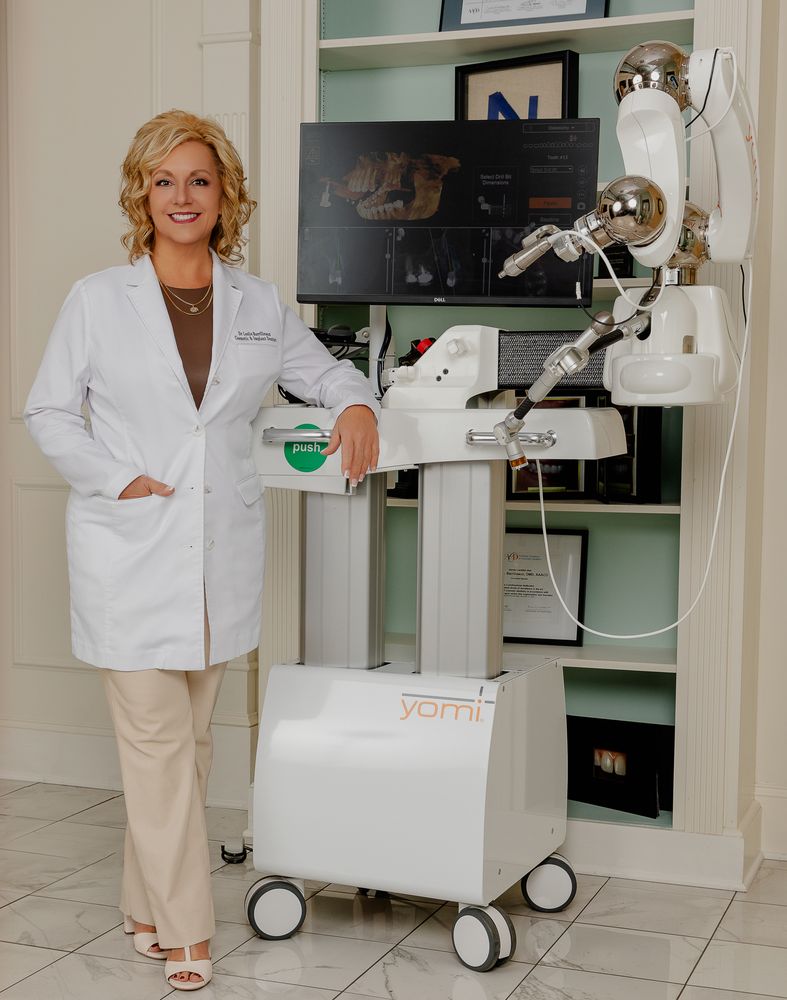
Dr. Leslie Barrilleaux is Alabama’s only Accredited Cosmetic Dentist and the founder of Dentistry Today in Huntsville and Scottsboro. She’s passionate about helping patients feel confident in their smiles through personalized, modern dental care.