

Quick answer: How much do dental implants cost?
A single dental implant typically costs $3,000 to $6,000 in the US, all components included, with a national average near $4,400. In Alabama the average runs a bit lower, around $3,759. All-on-4 typically runs $15,000 to $25,000 per arch, with Alabama toward the lower end. Final cost depends on your case, materials, and any preparatory work such as extractions or bone grafting.
If you are weighing tooth replacement, the first question is usually about price. Here is the honest answer: dental implants cost roughly $3,000 to $6,000 for a single tooth in the United States, all components included. In Alabama, the average tends to run a little below the national figure, which is good news if you are researching care in the Huntsville and Scottsboro area.
That range covers a lot of ground, and the final number depends on your specific case. This guide breaks the cost down by component, by type of treatment, and by what you can realistically expect in Alabama, along with how insurance and financing can bring the price down.
Keep in mind that only an in-person exam can give you an exact quote for your situation. The figures below are typical ranges drawn from published cost data, and they vary by provider, location, and how much preparatory work your mouth needs.
What a Dental Implant Actually Includes
A dental implant is not a single part. It is a small system of three components that together replace one tooth from root to crown.
- The implant post. A titanium screw placed into the jawbone that acts as the artificial tooth root.
- The abutment. A connector piece that attaches to the post and holds the crown.
- The crown. The visible, tooth-shaped cap made of porcelain or zirconia that is color-matched to your smile.
When people compare implant quotes, confusion often comes from whether a price includes all three parts plus the supporting steps. A complete single-implant fee usually also covers the consultation, 3D imaging or X-rays, the surgical placement, and follow-up visits. Some quotes separate these out, which is why two practices can look very different on paper while charging similar totals.
Single Implant Cost Breakdown
Seeing the parts individually helps explain the total. The table below shows typical US ranges by component; your actual cost depends on materials and whether extra procedures are needed.
| Component | Typical cost (US, varies) |
|---|---|
| Implant post (surgery + titanium post) | $1,000 to $3,000 |
| Abutment (stock or custom) | $400 to $2,000 |
| Crown (porcelain or zirconia) | $800 to $3,000 |
| Exam, 3D imaging, X-rays | $100 to $750 |
| Tooth extraction (if needed) | $150 to $650 |
| Bone graft (if needed) | $250 to $1,100+ |
| All-in single tooth (typical total) | $3,000 to $6,000 |
For a single tooth with all components, published cost data puts the national average near $4,400, with most cases landing between roughly $3,100 and $6,200. Preparatory procedures such as extractions, bone grafts, or a sinus lift are the most common reason a quote climbs above that range.
Cost by Type of Implant Treatment
Replacing one tooth is very different from restoring a full arch. Here are typical ranges for the main options.
| Treatment | What it replaces | Typical cost (US, varies) |
|---|---|---|
| Single implant | One missing tooth | $3,000 to $6,000 |
| Implant-supported bridge | Several teeth in a row | $6,000 to $15,000 |
| All-on-4 (per arch) | A full arch on four implants | ~$15,000 (national avg; range $11,640 to $27,500) |
| Full-mouth implants (both arches) | Entire upper and lower | $25,000 to $60,000+ |
All-on-4 and full-mouth solutions cost more up front, but they replace many teeth at once and often work out to less per tooth than doing several single implants. The right option depends on how many teeth are missing and the condition of your jawbone.
Dental Implant Costs in Alabama
Location matters, and Alabama is one of the more affordable states for implant care. Based on published state-level cost-index data, the average single implant in Alabama runs around $3,759, roughly 15 percent below the national average of about $4,400. Alabama's cost index is among the lowest in the Southeast.
For full-arch treatment, All-on-4 typically runs $15,000 to $25,000 per arch nationally, and Alabama tends to sit toward the lower end of that range. These are typical figures, not a fixed price, and your actual cost will depend on the provider, your specific case, and how much preparatory work is required.
A quick note for local readers: these are regional averages, not a quote from any single practice. The most reliable number for your situation comes from an exam, where a dentist can assess your bone, count the teeth involved, and confirm whether extractions or grafting are needed.
Why Do Dental Implants Cost So Much?
Implants carry a higher price than dentures or bridges for reasons that come down to surgery, materials, and expertise.
The procedure is a minor oral surgery that places a medical-grade titanium post into living bone, then allows months for the bone to fuse around it. The materials, titanium and high-strength ceramic, are precision-manufactured and custom-fit to your mouth. Much of the fee also reflects the training of the provider and the technology involved, including 3D imaging and guided surgical planning.
Cost also rises when the foundation needs work first. Bone grafting, sinus lifts, and extractions are common preparatory steps for patients who have been missing a tooth for a while, and each adds to the total. That upfront investment is part of why implants last: unlike bridges or dentures, a well-placed implant can last decades and does not rely on neighboring teeth for support.
Does Insurance Cover Dental Implants?
Coverage has improved, but it is still partial. Many PPO dental plans now cover implants as a "major restorative" service, typically paying around 40 to 50 percent of the allowed charge after your deductible, up to your annual maximum. Because annual maximums often sit between $1,000 and $3,000, insurance usually offsets part of a single implant rather than the whole thing.
A few important caveats. Original Medicare and Alabama Medicaid generally do not cover implants for adults. Some plans also include a "missing tooth clause" that excludes replacing teeth that were already missing before your coverage began. It is always worth calling your insurer to confirm your specific benefits, and our team is happy to help you understand what your plan covers before you commit.
Ways to Make Implants More Affordable
The sticker price does not have to be paid all at once. Several options spread the cost or reduce it.
- Healthcare financing. Cards and lenders such as CareCredit offer promotional payment plans, often with interest-free periods for qualified applicants.
- HSA or FSA funds. Dental implants are eligible expenses, so you can pay with pre-tax dollars and effectively lower the cost.
- In-house payment plans. Many practices offer direct, sometimes interest-free, payment arrangements. Ask what is available.
- Dental savings plans. These membership plans offer a percentage off procedures with no annual maximum, an alternative to traditional insurance.
- Dental school clinics. Supervised implant care at reduced rates is available at some dental school clinics in the region, though wait times and travel are trade-offs.
Is It Worth It?
For most patients replacing a tooth, yes. Implants restore full chewing function, do not damage neighboring teeth the way a traditional bridge can, and help preserve the jawbone that otherwise shrinks after tooth loss. According to the American Academy of Implant Dentistry, about 3 million Americans have implants, a number it estimates is growing by roughly 500,000 each year.
The higher upfront cost buys longevity and stability that removable options rarely match. When you spread that cost over the decades a well-maintained implant can last, the value often compares favorably to repeatedly repairing or replacing other restorations.
Frequently Asked Questions
How much do dental implants cost in Alabama?
A single dental implant in Alabama averages around $3,759 all-in, based on published cost-index data, which is roughly 15 percent below the national average of about $4,400. Full-arch All-on-4 treatment typically runs $15,000 to $25,000 per arch, with Alabama toward the lower end. These are typical figures that vary by provider and case, so an exam is the only way to get an exact quote.
How much is All-on-4 in Alabama?
All-on-4 dental implants typically run $15,000 to $25,000 per arch nationally, with Alabama tending toward the lower end of that range. The full cost depends on whether you treat one arch or both, the materials chosen, and any extractions or grafting needed beforehand. Treating both arches naturally costs more but replaces an entire mouth of teeth.
What is the cost of full-mouth dental implants?
Full-mouth dental implants, meaning both the upper and lower arches, typically range from about $25,000 to $60,000 or more in the United States. The wide range reflects the number of implants used, the restoration material, and any preparatory surgery. Because it replaces every tooth at once, the per-tooth cost is often lower than doing many single implants separately.
How is a single implant cost broken down?
A single implant fee usually combines three parts: the titanium post ($1,000 to $3,000), the abutment ($400 to $2,000), and the crown ($800 to $3,000), plus imaging and any needed extraction or bone graft. Together these typically total $3,000 to $6,000. Quotes differ largely based on whether all of these components and steps are bundled into one price.
Does dental insurance cover implants?
Often partially. Many PPO plans now cover implants as a major restorative service at around 40 to 50 percent after the deductible, up to your annual maximum (commonly $1,000 to $3,000). Medicare and Alabama Medicaid generally do not cover implants for adults, and some policies have a missing-tooth clause. Confirm your specific benefits with your insurer before treatment.
Are cheap implants abroad worth it?
Dental tourism can lower the upfront price, but it carries real trade-offs. Follow-up care, warranty coverage, and correcting any complications become difficult once you are home, and standards vary by country and clinic. For many patients, the convenience of local follow-up, continuity of care, and easier problem-solving makes treatment closer to home the better long-term value.
Thinking about dental implants in Huntsville or Scottsboro? Our team can assess your case and give you a clear, personalized quote. Learn more about our dental implant options, or schedule a consultation.
Medical disclaimer
This article is for general educational purposes and does not substitute for professional dental advice. Costs are typical ranges from published cost data and vary by provider and case; only an exam can give you an exact quote.
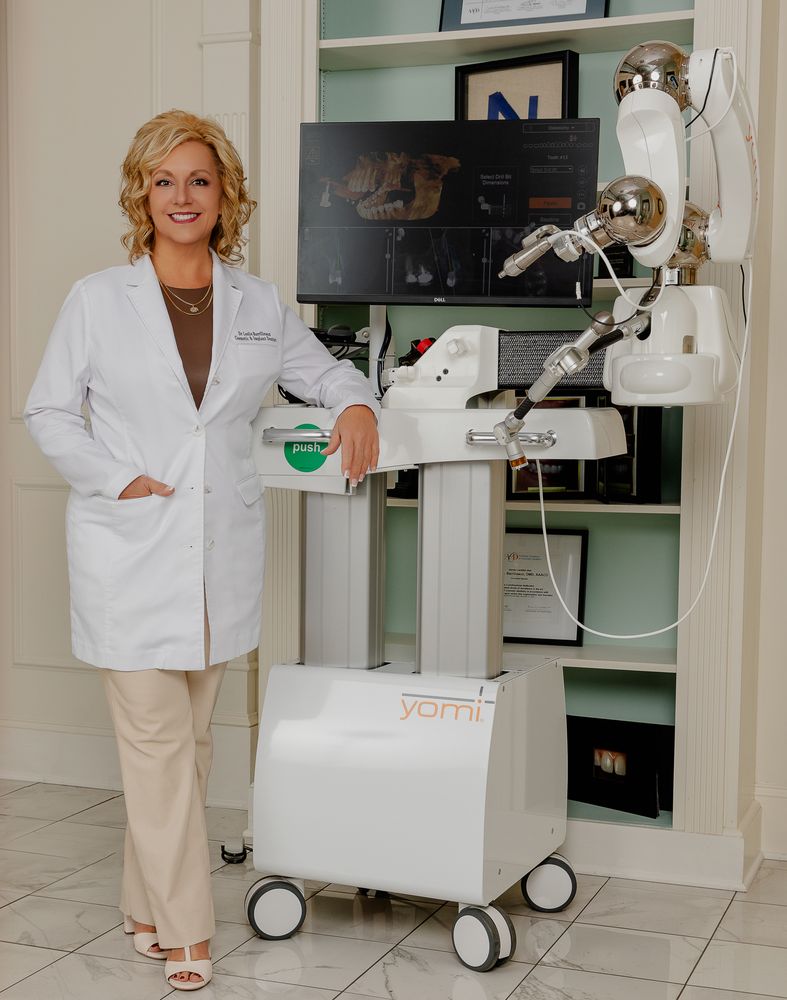
Dr. Leslie Barrilleaux is Alabama’s only Accredited Cosmetic Dentist and the founder of Dentistry Today in Huntsville and Scottsboro. She’s passionate about helping patients feel confident in their smiles through personalized, modern dental care.