

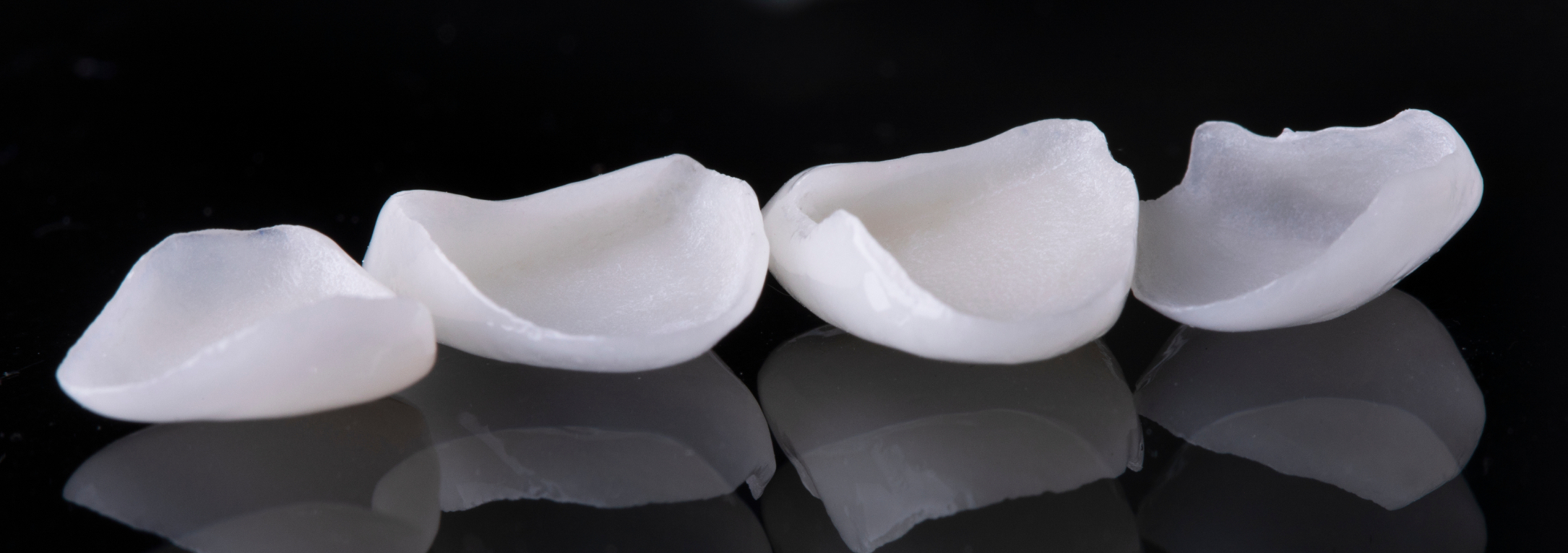
If you’ve been looking into veneers but feel uneasy about permanently altering your natural teeth, that concern makes complete sense—it’s a common hesitation. Nobody wants to change something that can’t be changed back. No-prep veneers (sometimes called minimal-prep or ultra-thin veneers) are one option that can improve your smile while keeping most—or all—of your natural enamel intact. They bond directly to the front of your teeth with little to no drilling. They’re not right for everyone, but for suitable candidates, they offer a conservative path to a more confident smile.
What No-Prep Veneers Actually Are
What are no-prep veneers and how do they work? No-prep veneers are ultra-thin shells of porcelain or composite resin — as thin as 0.3 millimeters — that bond directly to the front surface of your teeth with little to no enamel removal. Traditional veneers require removing 0.5 to 0.7mm of enamel to create space. No-prep skips that step, preserving your natural tooth structure while still changing the color, shape, and surface appearance of your teeth.
If you’re curious about the full range of veneer options, check resources like the American Dental Association’s MouthHealthy.org for overviews of materials and styles.
Who Makes a Good Candidate
The ideal candidate has teeth that are mostly straight, structurally healthy, and free of significant decay or gum disease. No-prep veneers often work well for those wanting to brighten discoloration that hasn’t responded to whitening, close a minor gap, or smooth slight edge irregularities—without permanent changes to natural teeth.
Dentists generally avoid no-prep for significant crowding, bite issues, heavily stained underlying teeth, or large existing fillings. Grinding (bruxism) is an important consideration, as it places serious stress on veneers of any kind; consistent use of a night guard is often necessary. For more on candidacy, refer to guides from reputable sources like MouthHealthy.org.

How the Process Works
A typical no-prep veneer process starts with a diagnostic appointment: X-rays, photos, and scans assess tooth structure and goals. If suitable, a digital smile design and physical mockup preview the potential result for adjustments. Veneers are custom-fabricated (often in a dental lab or in-office) for precise fit. At placement, each veneer is tried in unbonded to check fit, color, and alignment before permanent bonding. This is a general overview—actual steps vary by dentist and technology.
What They Can and Can’t Fix
When suitable, ultra-thin veneers can improve color, close minor gaps, smooth edges, and enhance symmetry. They do not move teeth, correct bite issues, or dramatically reshape misaligned teeth— invisible braces may be better for alignment concerns. A key limitation: ultra-thin veneers add to the tooth surface without replacing enamel, so very dark underlying stains may show through. A dentist will assess this during consultation. For realistic expectations, see MouthHealthy.org’s veneers guide.
How Long They Last — and What They Cost
Lifespan depends on oral habits, care, and individual factors. Costs vary widely by location, dentist, material, and case complexity. Cosmetic veneers are rarely covered by insurance; check your plan. Discuss payment options with your dentist.
| Veneer Type | Est. Lifespan | Est. Cost Per Tooth |
|---|---|---|
| No-prep porcelain | 7–10 years | $800–$2,000 |
| Composite resin | 5–7 years | $400–$1,500 |
| Traditional porcelain | 10–15+ years | $900–$2,500 |
Do all veneers require shaving your teeth down?
Traditional veneers require removing 0.5 to 0.7mm of enamel. No-prep veneers skip that step entirely. Neither type should require reducing teeth to stumps — that level of reduction is associated with crowns, not veneers. If a dentist recommends aggressive tooth reduction for veneers, seek a second opinion.
Can no-prep veneers fix crooked or misaligned teeth?
Many people delay exploring veneers due to fears of permanent changes, but options like no-prep exist for suitable cases. Consult a qualified cosmetic dentist to discuss what fits your smile goals. Your smile impacts confidence—seek professional advice tailored to you.
If you’d like to see what’s possible, our before and after gallery shows real patient results. We’re happy to take a look — no pressure, just an honest assessment of what will actually work for your smile.
Your smile is one of your best features — make sure it reflects your confidence. At Dentistry Today, our team designs custom porcelain veneers that enhance both your appearance and oral health.
📍 Address: 7736 Madison Blvd, Suite #2, Huntsville, AL 35806
📞 Phone: (256) 529-5179
Important Disclaimer: This article is for general educational purposes only and is not a substitute for professional dental advice. Always consult your dentist for personalized guidance about your smile, treatment options, and oral health. If you have concerns, please contact Dentistry Today directly.
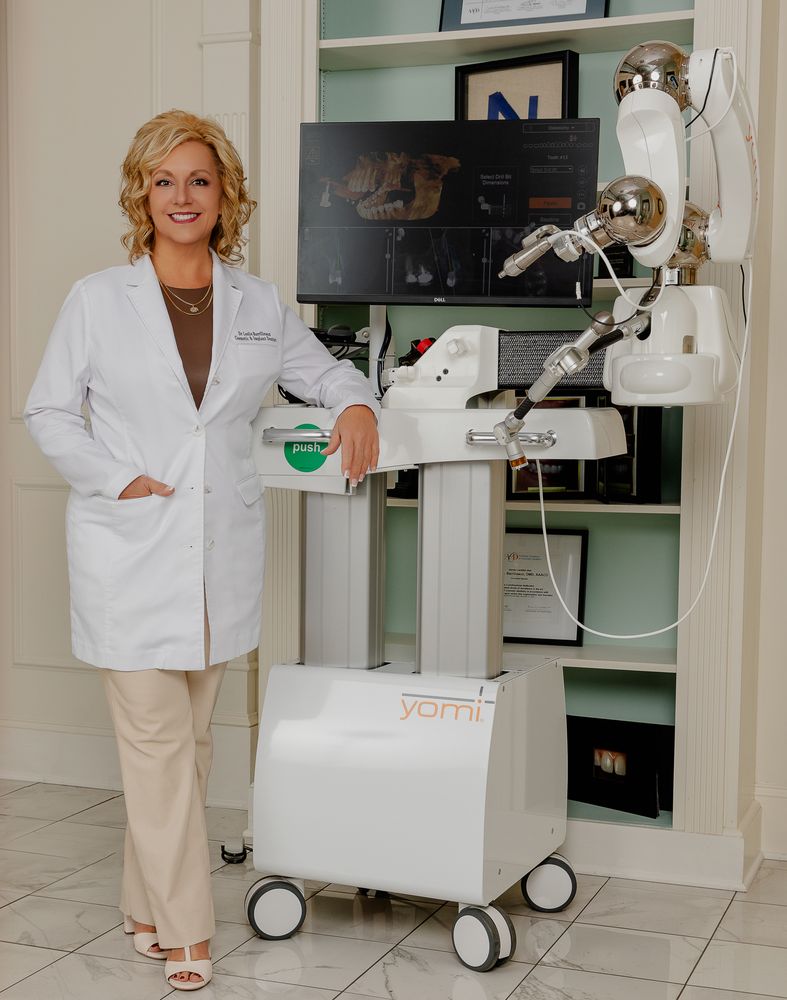
Dr. Leslie Barrilleaux is Alabama’s only Accredited Cosmetic Dentist and the founder of Dentistry Today in Huntsville and Scottsboro. She’s passionate about helping patients feel confident in their smiles through personalized, modern dental care.