

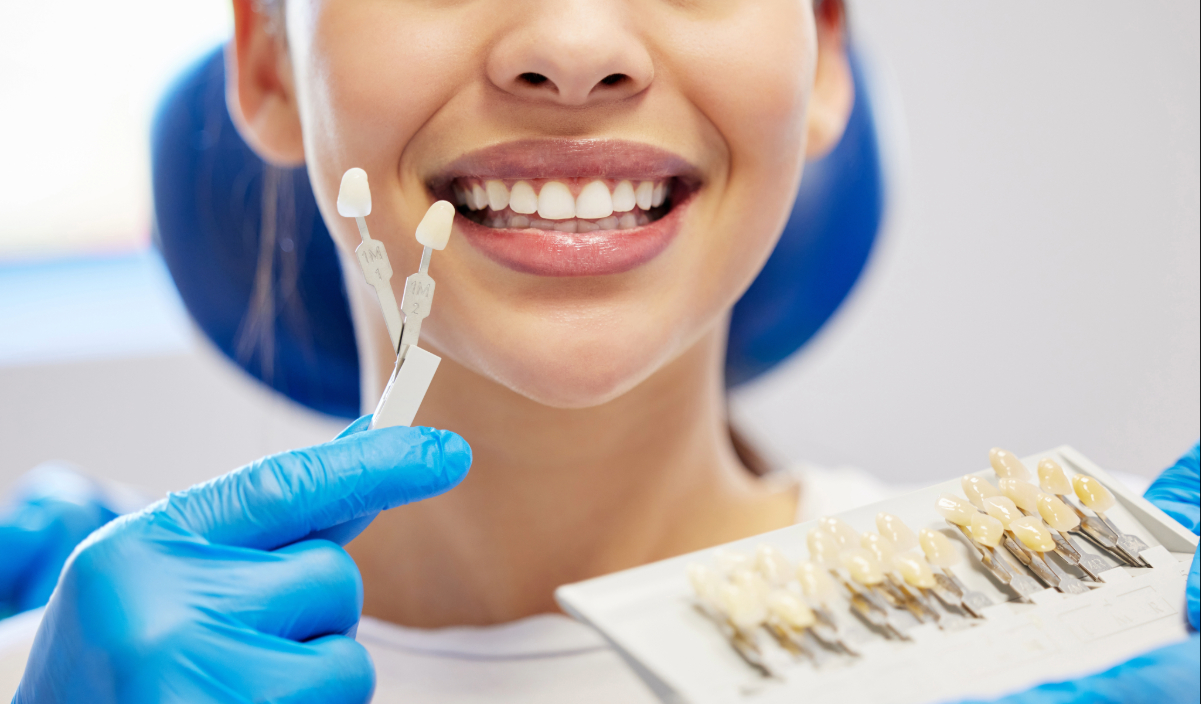
It often starts with a glance in the mirror. Maybe you notice a small chip, uneven edges, or a bit of discoloration that whitening just can’t fix. Many adults in Huntsville reach this point and wonder—is there a simple, lasting way to feel proud of my smile again?
The good news: dental veneers make that possible. They’re safe, comfortable, and designed to look and feel completely natural.
What Exactly Are Dental Veneers?
Veneers are ultra-thin shells bonded to the front of your teeth. They instantly enhance color, shape, and symmetry—think of them as a refined, natural upgrade.
They can correct chips, stubborn stains, small gaps, or minor alignment issues in just a few visits, usually without discomfort.
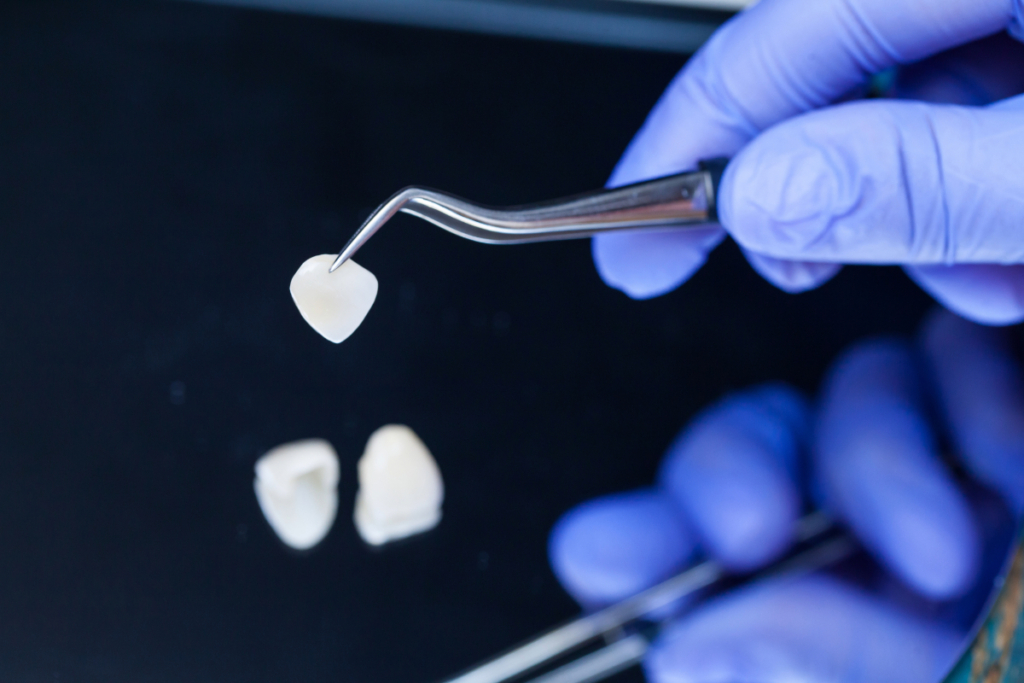
Porcelain Veneers — Natural Look, Long Life
Porcelain is the premium choice. Each veneer is crafted from durable ceramic that resists stains and mimics the light reflection of natural enamel.
Dr. Leslie Barrilleaux, D.M.D., explains:
“Porcelain veneers today are thinner yet stronger than ever. We can often preserve most of the natural tooth while achieving a seamless color match.”
With proper care, porcelain veneers last 10 to 20 years—one of the longest-lasting cosmetic dental options available.
Composite Veneers — Quick and Budget-Friendly
Composite veneers are made from tooth-colored resin shaped directly onto your teeth. They’re often completed in one visit—no lab work needed.
They cost less (around $250 to $1,200 per tooth) and typically last 5 to 10 years with good care. Though more prone to staining than porcelain, they’re easy to repair and ideal for minor aesthetic touch-ups.
Minimal-Prep or Lumineers — The Gentle Option
If you’re hesitant about enamel removal, minimal-prep veneers like Lumineers are worth exploring. These ultra-thin ceramics usually require little to no tooth preparation.
The Veneer Process Step by Step
- Consultation & Imaging – Discuss goals and get 3D scans or photos.
- Preparation – A thin layer of enamel may be smoothed for bonding.
- Custom Creation – A dental lab crafts each veneer to match your exact shade.
- Temporary Veneers – You’ll wear test versions for one to two weeks.
- Bonding & Polish – The veneers are permanently bonded, then refined for comfort and shine.
Most patients describe mild pressure, not pain, and resume normal activities right after their visit.
Cost & Insurance Context in Huntsville
| Type | Material | Longevity | Cost (Per Tooth) | Tooth Preparation |
| Porcelain | Ceramic shell | 10–20 yrs | $1,000–$2,500 | Moderate |
| Composite | Resin | 5–10 yrs | $250–$1,200 | Minimal |
| Lumineers | Ultra-thin ceramic | 10–20 yrs | $800–$2,000 | None |
💡 Note: 2025 pricing – actual costs vary by case complexity, material choice, and cosmetic goals.
Insurance rarely covers purely cosmetic veneers, but partial coverage may apply if your teeth have structural wear or damage. Many Huntsville dental offices also offer flexible financing or phased treatment options.
When Veneers May Not Be Right for You
If you have gum disease, large fillings, or active enamel erosion, veneers might not be the first step. In those cases, your dentist may recommend bonding, whitening, or orthodontic correction first.
Your dentist will recommend the best sequence to protect your smile and your investment.
Caring for Your New Smile
Everyday Care Checklist
- Brush twice daily with non-abrasive toothpaste.
- Floss gently—slide out instead of pulling up.
- Avoid chewing on ice or pens.
- Wear a night guard if you grind your teeth.
- Schedule cleanings every six months.
With small daily habits, veneers can stay bright and smooth for over a decade.
Comfort, Safety & Longevity
Getting veneers shouldn’t hurt. Your dentist will numb the area as needed, and any sensitivity typically fades within a day or two.
Porcelain and composite materials are biocompatible, meaning they work safely with your natural gum tissue. According to the American Dental Association (2023), porcelain veneers show exceptional color stability and durability when maintained properly.
Quick Answers to Common Concerns
Q1: How long do veneers last?
Porcelain veneers can last 10–20 years, while composite versions usually hold up for 5–10. Longevity depends on daily care, grinding habits, and avoiding hard foods. Think of veneers as an investment—routine checkups help your dentist spot early wear before it becomes costly to repair.
Q2: Do veneers hurt to get?
Most patients feel little to no discomfort during veneer placement. Your dentist uses local anesthetic to keep you comfortable. Mild sensitivity usually fades within a day or two, and any tightness or pressure quickly resolves.
Q3: Can veneers stain or discolor over time?
Porcelain veneers resist stains far better than natural enamel, but composite or bonding materials may darken slightly. Coffee, tea, and tobacco are common culprits. Rinsing after these drinks and scheduling routine cleanings keeps your smile bright for the long haul.
Q4: Are veneers reversible?
Traditional porcelain veneers require removing a thin layer of enamel, which makes them a permanent treatment. Minimal-prep options, like Lumineers, may be removable depending on the case. Always ask your dentist about reversibility before you begin—it’s part of making an informed choice.
Q5: How do I care for my veneers day-to-day?
Care for veneers just like natural teeth—gentle brushing, flossing, and avoiding habits like nail-biting or chewing ice. Using a nightguard if you grind your teeth can add years to their life. Regular six-month visits let your dentist polish and protect the veneer surfaces from wear.
Ready to Transform Your Smile?
Our team at Dentistry Today in Huntsville offers personalized veneer consultations to help you find the right option for your needs and budget.
📞 Call (256) 529-5179 or Schedule a consultation
💬 Same-week consultations often available—schedule today and start your journey toward a confident smile.
References
- American Dental Association (ADA). (2025). Veneers Overview.org. Retrieved from https://www.mouthhealthy.org/all-topics-a-z/veneers
- American Academy of Cosmetic Dentistry (AACD). (2024). Porcelain vs. Composite Veneers: Comparison & Longevity. Retrieved from https://aacd.com/patient-resources/procedures/veneers
- Peumans, M., Politano, G., Van Meerbeek, B., & Vanherle, G. (2022). Ten-year clinical performance of ceramic and composite veneers. Journal of Dentistry, 122, https://pubmed.ncbi.nlm.nih.gov/35504721/
- National Institute of Dental and Craniofacial Research (NIDCR). (2024). Oral Health in America: Aesthetic Dentistry Section (3B). Retrieved from https://www.nidcr.nih.gov/research/oralhealthinamerica/section-3b-aesthetic-dentistry
The information provided in this blog is for educational and informational purposes only. It is not intended as a substitute for professional medical, dental, or healthcare advice. Always consult with a qualified healthcare provider for diagnosis, treatment, and answers to specific medical questions.
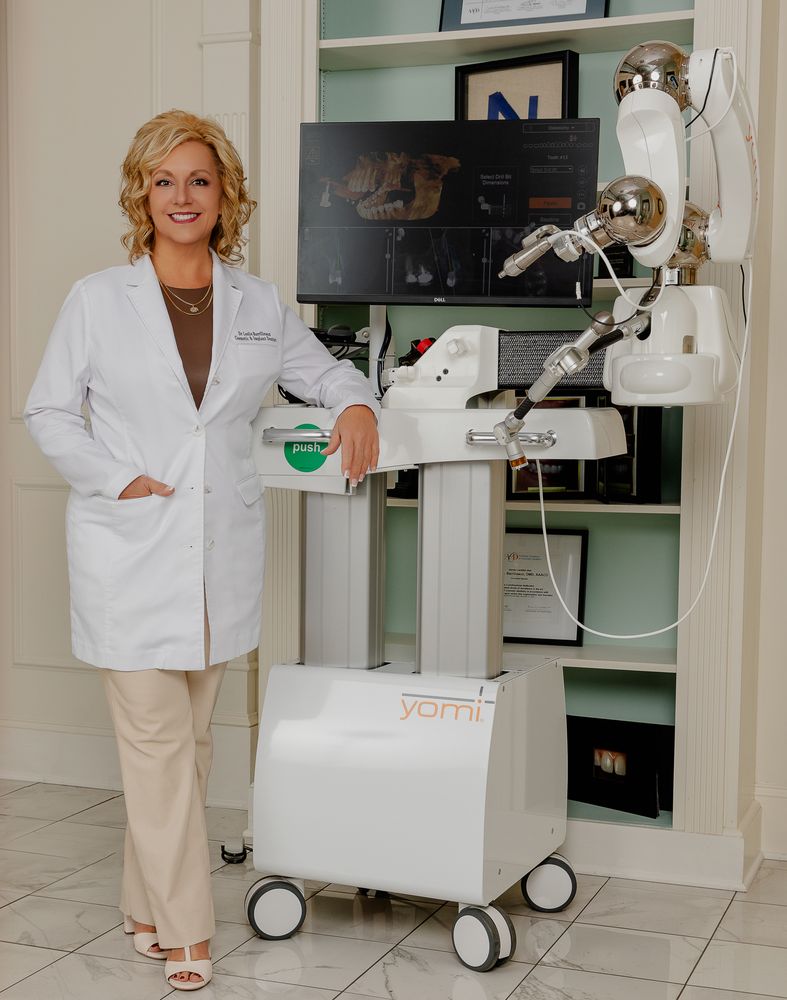
Dr. Leslie Barrilleaux is Alabama’s only Accredited Cosmetic Dentist and the founder of Dentistry Today in Huntsville and Scottsboro. She’s passionate about helping patients feel confident in their smiles through personalized, modern dental care.